Oxfordian Life
What You Should Tell the Teacher
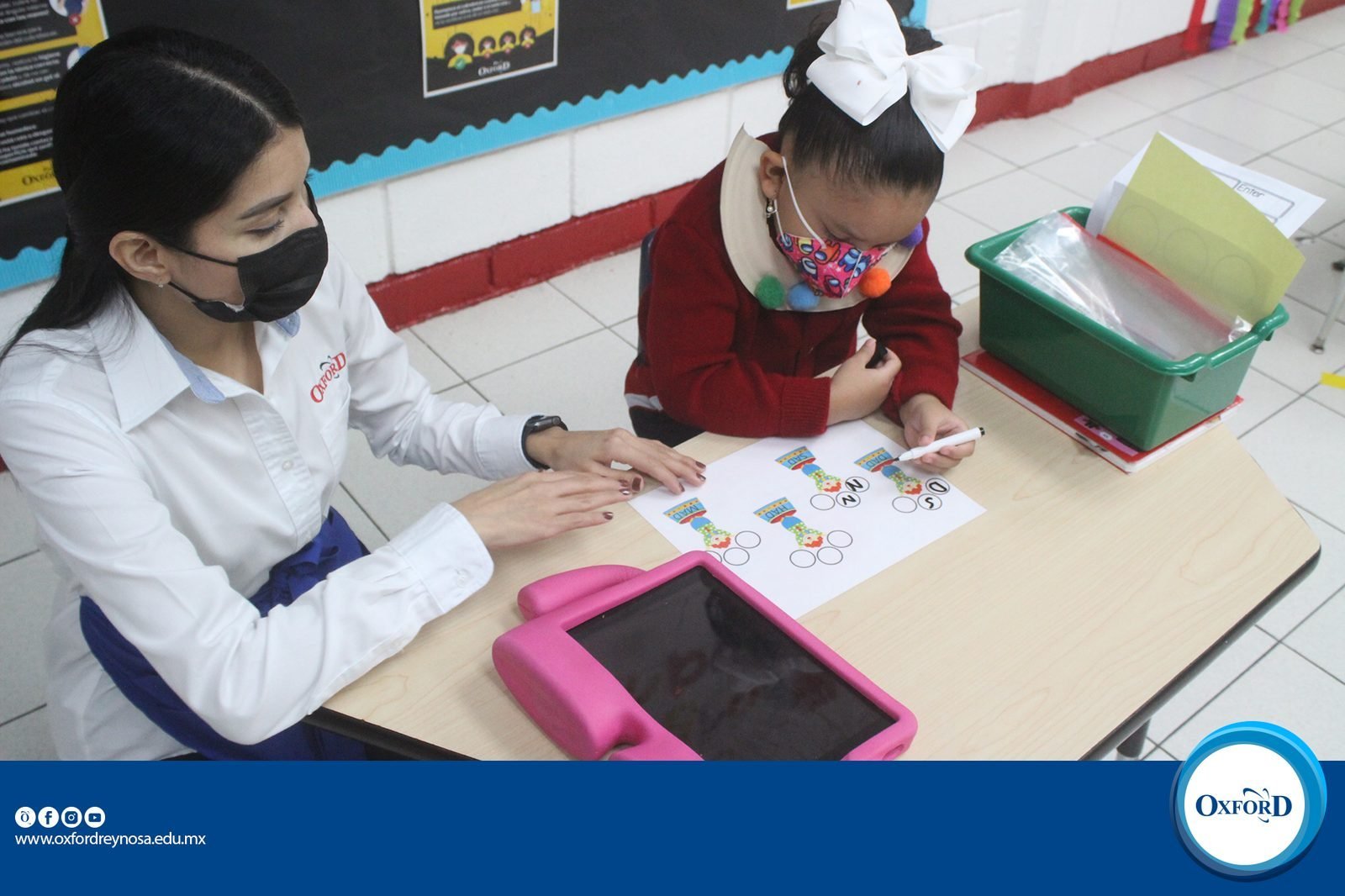
For children to develop their full potential it is important to build a line of communication with their teachers — but what should the teacher know, and what is the right channel? Here we set out the options available for staying in touch and working together towards academic goals.
Oxford has encouraged parents to be aware of how their children are developing in school life, through a range of events, talks and workshops. Today more than ever they are involved, since they can see day to day in their own homes how their children get on during online classes. Whatever the format, it is important to establish effective communication with teachers.
What should the teacher know?
To make the most of a child’s abilities it is necessary to form a team with the teacher and let them know how the child has performed academically in the past, what their strengths are and which areas need developing, so that together you can find the right strategy.
It is also important to raise doubts or report any circumstance the parent believes may affect academic progress — such as sharing a study space with siblings, technical limitations, shyness about turning on the camera or microphone, or whoever assists at home not being familiar with the technology. It is also a great help to say if the child feels under pressure from the pace of work, or anything else. All of this information gives the teacher context to know what to do, and to advise on what can be done at home to make things easier.
Channels of communication
Our main ally as a channel of communication is email; through it we can be in touch with the teacher and even request an individual meeting.
If there is something a parent wishes to discuss with teachers, they can do so at our Parent Teacher Conferences, held periodically on dates announced by email, or ask Academic Coordination to schedule a meeting.
It is worth remembering that emails may be answered once the teacher has finished their classes, so patience is an important factor in the process — though the outcome has always proved satisfactory.
By taking these recommendations into account and communicating with teachers in good time, a link will be established that helps children progress.
Because of all this, it is important that Academic Coordination has up-to-date emails and telephone numbers, and that parents make sure to add teachers’ email addresses to their contacts. These can be found in the Weekly Update sent out each week, or requested from the school on the telephone numbers on the website or the Facebook pages.
With this advice it is possible to improve children’s chances of success and to support their activities and academic development. Putting these recommendations into practice as soon as possible is the best way to achieve that goal.
Tips for keeping in touch with the teacher:
- Share your email and telephone number with the school; subscribe to the mailing list, follow its social media and download the Innovat app.
- Take part in Parent-Teacher Conferences. They are the perfect opportunity to tell the teacher your doubts, the difficulties you face at home, or any question you have.
- Stay in touch. Write at any time, or request a meeting with the teacher, to discuss concerns about your child’s development.
- If you need to, remember you can ask the Psychology department for support.