
Grade Levels
Kindergarten
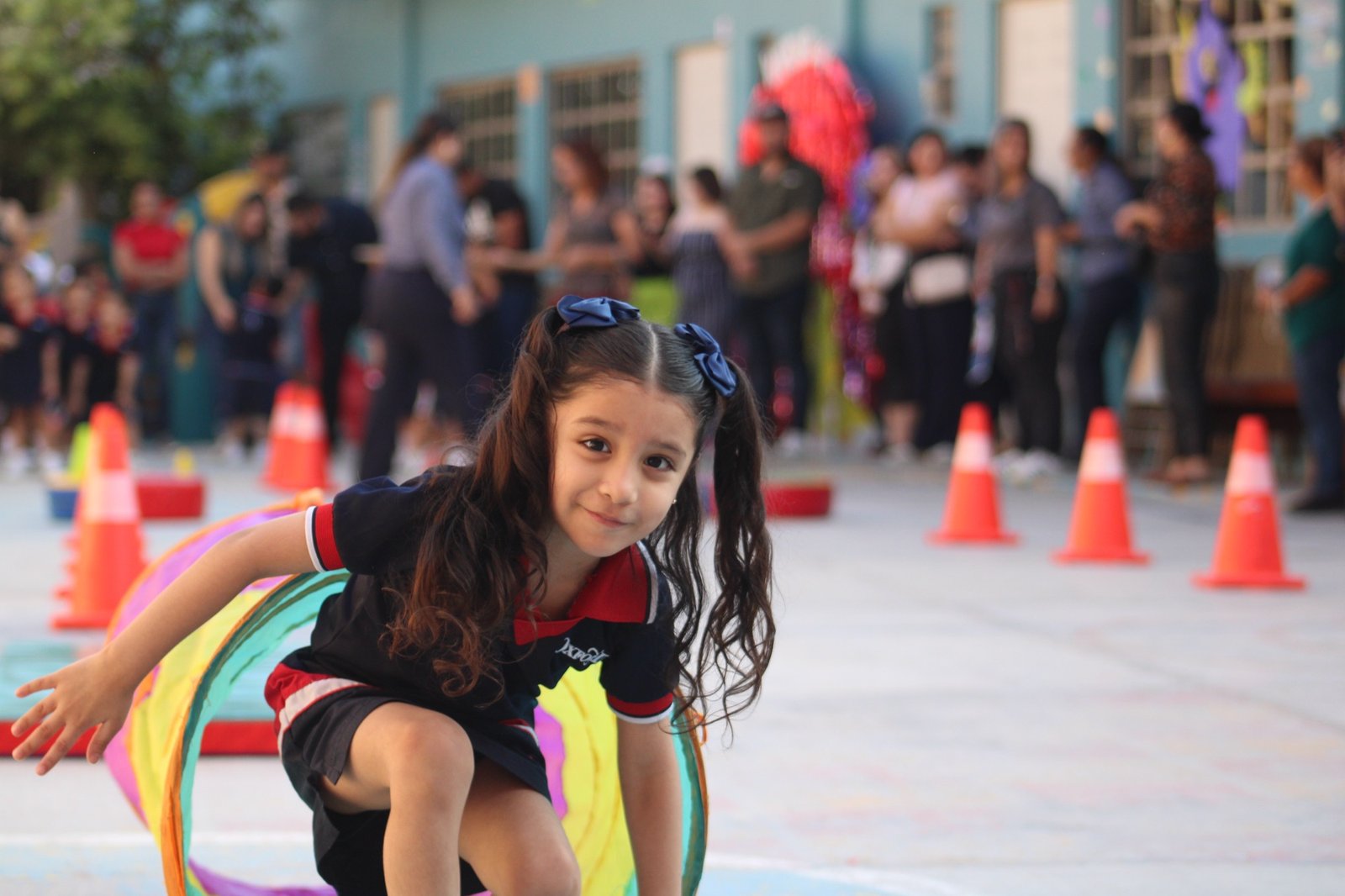
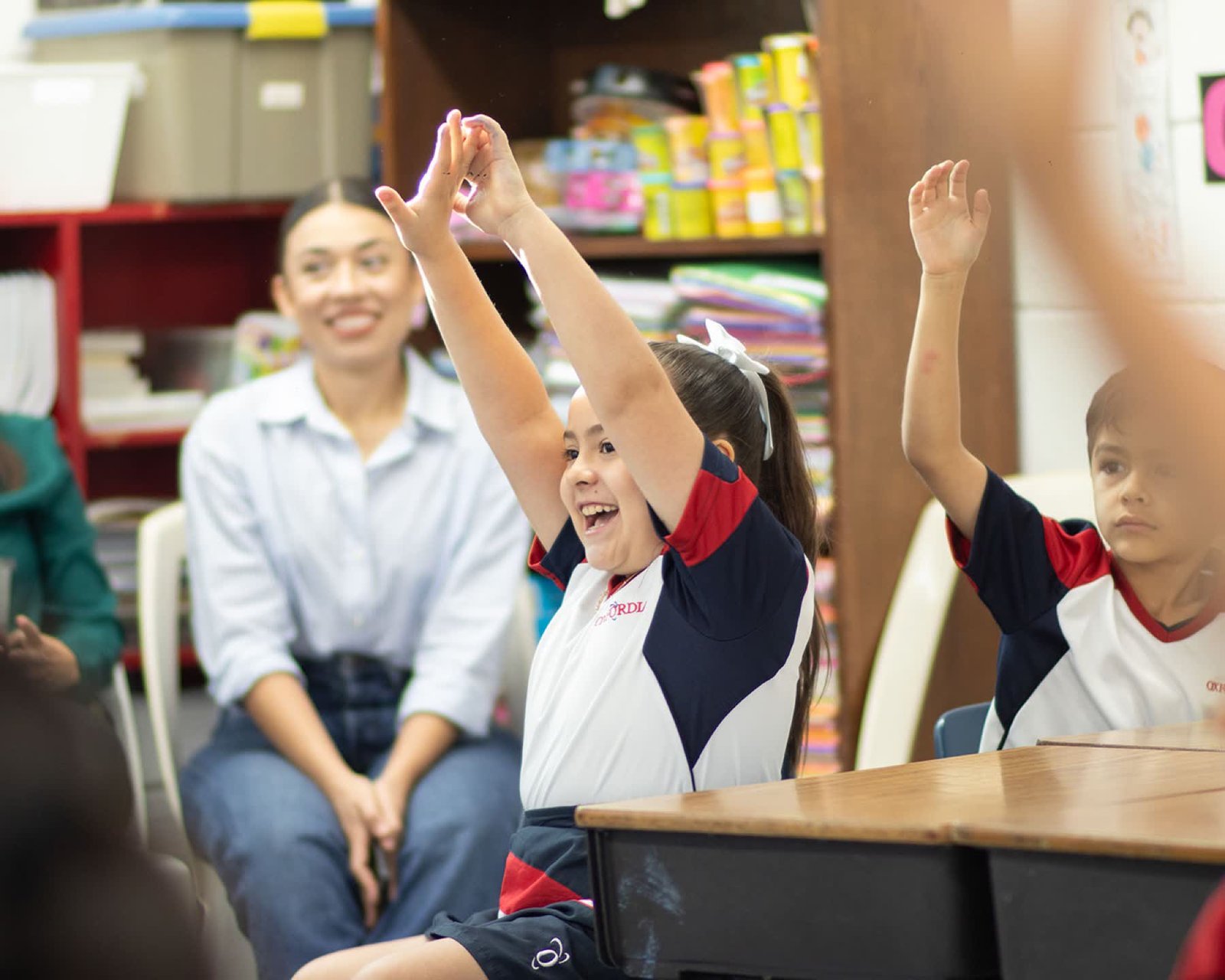
Our program nurtures a child’s learning and development through a dynamic play based curriculum that builds the foundations for literacy, math and necessary motor skills. In a safe and inspiring environment our early years learners build confidence, social skills and a lifelong curiosity and love of learning.
How Learning Happens
Our Reggio Emilia-inspired classrooms treat the environment as the third teacher. Open-ended materials, documented projects, and daily bilingual dialogue that turns curiosity into understanding.
Kindergarten at The Oxfordian School bridges home and formal education. Our structured yet playful curriculum develops language fluency, numeracy readiness, and creative thinking, giving children the tools to approach learning with joy and confidence from the very start.
Our bilingual curriculum from early childhood fundamentals to advanced academic skills:
Development: Integrating early motor skill stimulation to support writing readiness and correct articulation.
Literacy: Progressing from basic vocabulary and letter recognition to phonetics, dictation, and creating short stories.
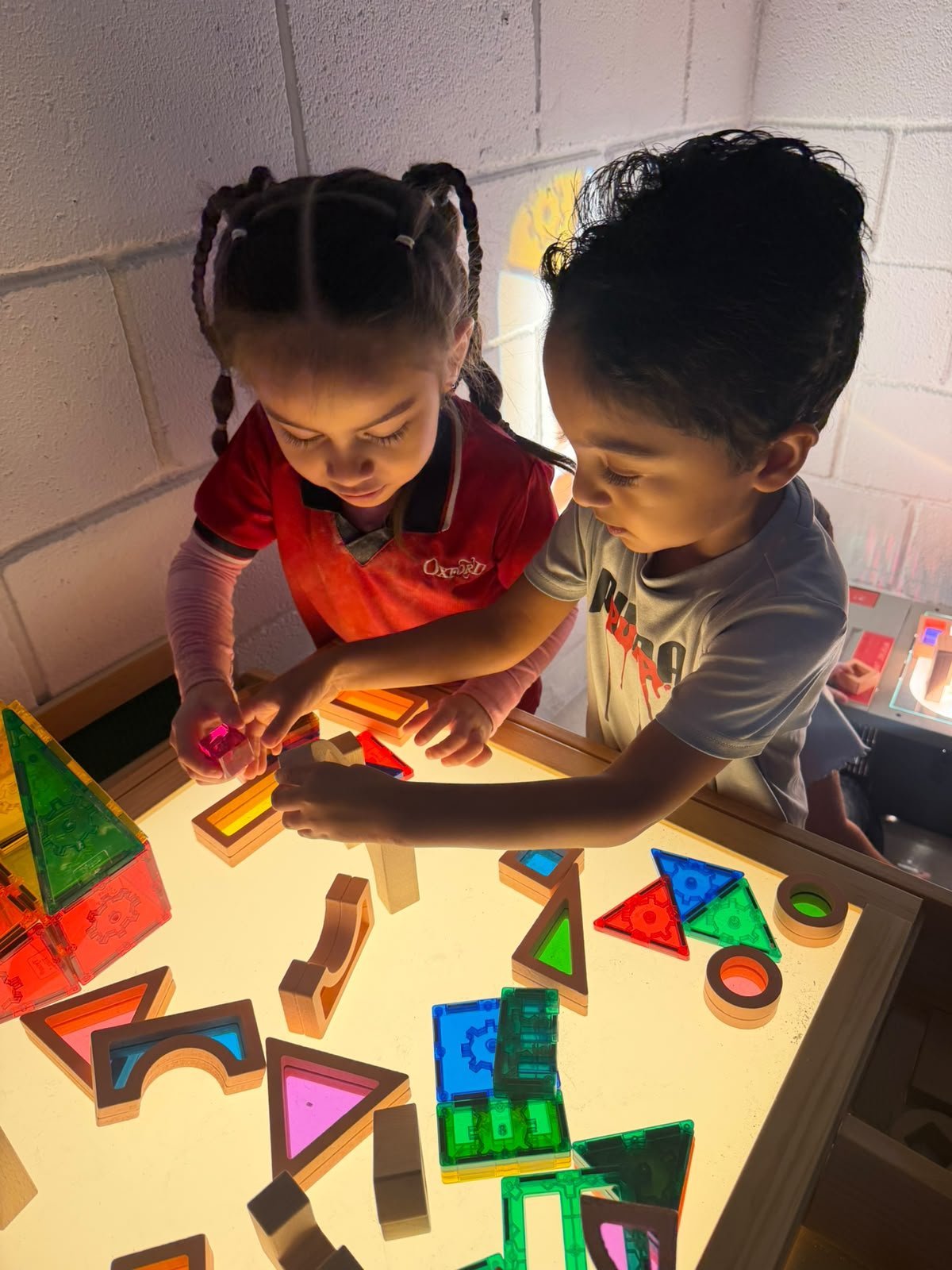
Math & Logic: Advancing from simple shapes and numbers to reading clocks, creating series, and two-digit arithmetic.
Three developmental pillars framing our daily approach.
Academic Approach
Project-led inquiry linking early literacy, numeracy and the natural sciences to questions the children raise themselves.
Skills & Development
Collaboration, negotiation and self-regulation practised daily through shared, open-ended play.
Language & Innovation
Dual-language immersion with storytelling, song and documentation that makes thinking visible.
Kindergarten at The Oxfordian School bridges the gap between home and formal education. Our structured yet playful curriculum develops language fluency, numeracy readiness, and creative thinking, giving children the tools to approach learning with joy and confidence from the very start.
What students need at this stage
Between three and six, children need room to test ideas alongside their peers. Our Reggio Emilia-inspired classrooms treat the environment as the third teacher: open-ended materials, documented projects, and daily bilingual dialogue that turns curiosity into understanding.
A day in Kindergarten
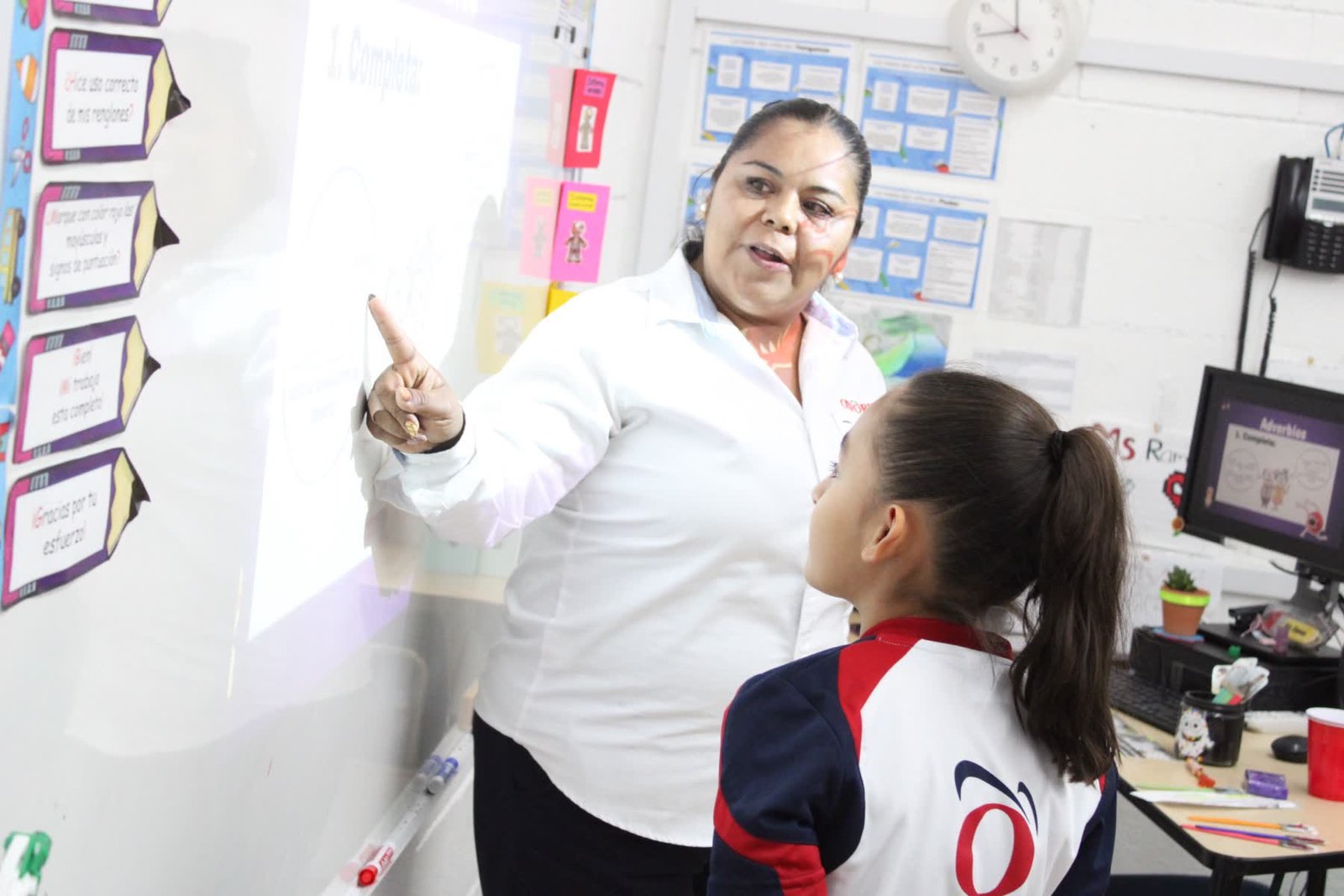
Mornings open with circle time and shared planning, then move into project work in the atelier, outdoor investigation, and small-group literacy and numeracy sessions before a calm, reflective close to the day.
What students study in Kindergarten
Subjects by year group, with the enrichment that runs alongside them. Exact offerings vary a little by campus.
K3
- Language through dance, songs and rhymes
- Math
- Phonics
- Lenguajes
- Estimulación temprana
- Educación Socioemocional
Enrichment
- Fine Arts
- Physical Education
- Technology
- Music
- Chess
- Taekwondo
K4 & K5
- Language
- Math
- Phonics
- Lenguajes
- Saberes y Pensamiento Científico
Enrichment
- Fine Arts
- Physical Education
- Technology
- Music
- Chess
- Taekwondo
Enrichment Within the School Day
These run inside the timetable, for every student in the year group. They are not the After School classes, which are optional, run after the school day and are booked separately.
Fine Arts

Physical Education
Technology

Music

Chess
Taekwondo
Learning Beyond the Classroom
Creative Workshops
Hands-on making sessions that turn classroom questions into finished work.
Community Events
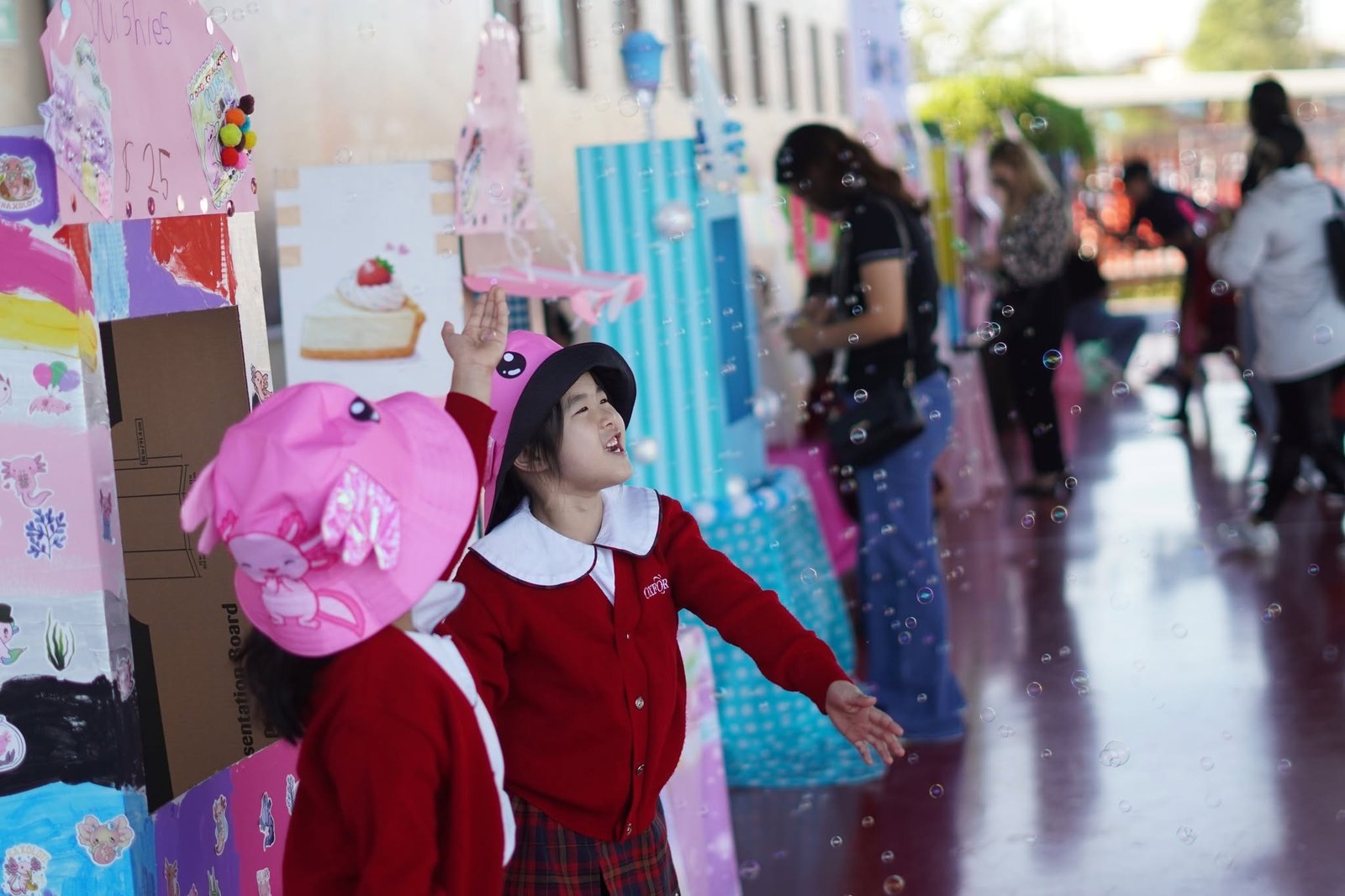
Seasonal concerts, exhibitions and family days across the campus calendar.
Active Outings
Field lessons and outdoor learning in and around Reynosa.
Service Through the Year
Each Kindergarten grade takes part in its own Love Foundation project, from a day given to peace to letters written for children in hospital.
- Día Internacional de la Paz
- Letters for Children in Hospital
- Learning to Love Pets
- Reciclando con Causa
- Mochilón
- Día de la Bicicleta
Service Through the Year
Each Kindergarten grade takes part in its own Love Foundation project, from a day given to peace to letters written for children in hospital.
- Día Internacional de la Paz — 23 September, Kínder 3.
- Letters for Children in Hospital — February, Kínder 5. Letters written for children receiving cancer treatment.
- Learning to Love Pets, Reciclando con Causa, Mochilón and Día de la Bicicleta — June, Kínder 3 and Kínder 4.