Oxfordian Life
Talking About Nutrition and Sport
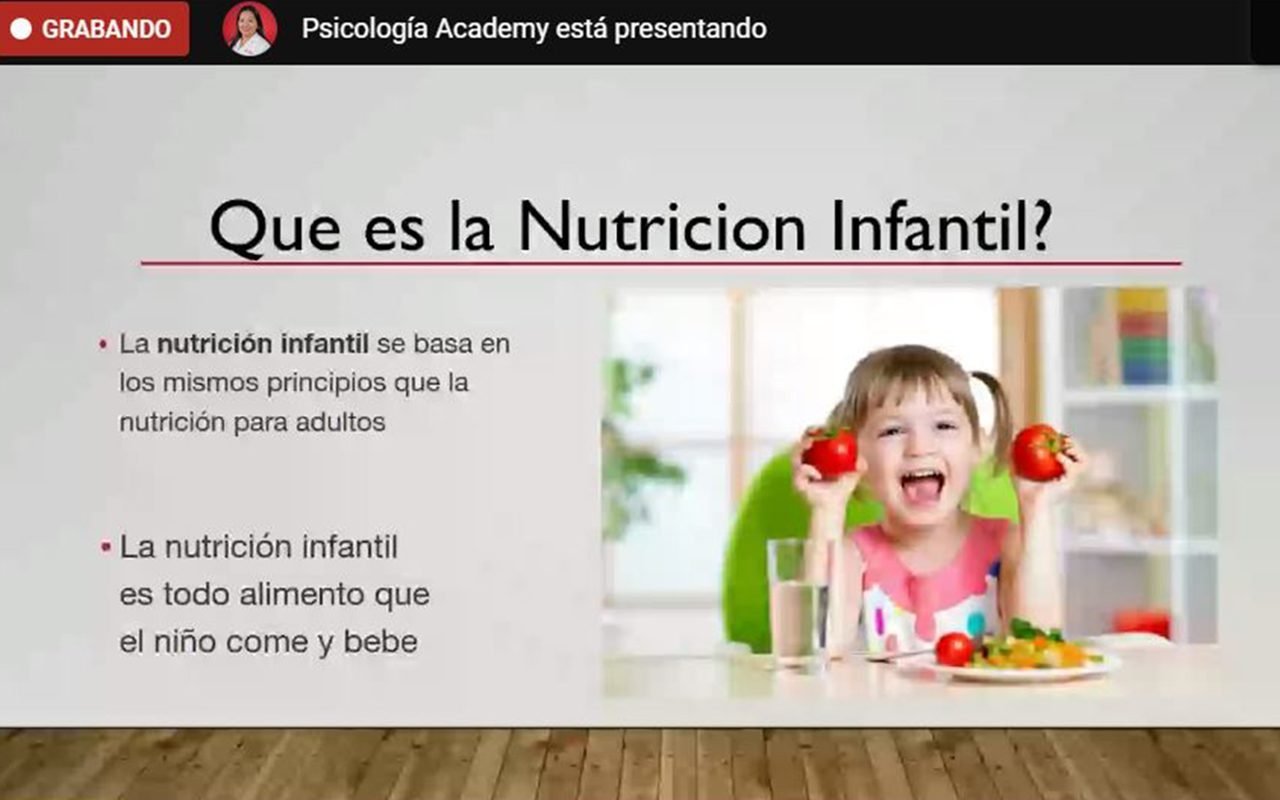
During the February session of Escuela para Padres, the nutritionist Daniel Hermida presented a subject of real current relevance: “Nutrition and sport, good allies for my child’s development”.
On 4 February, through an online session, this subject was set out — one that has taken on particular importance given the social isolation we find ourselves in, which has increased sedentary behaviour and problems with anxiety. The nutritionist therefore devoted half the session to listening to and answering the questions of more than 50 participants.
As the expert explained, not knowing how to follow a balanced diet in childhood can cause iron deficiency and affect the capacity to learn, among other short- and long-term problems, which is why the subject is so important.
He made clear that each case must be assessed individually, since dietary needs depend on factors such as age, physical activity and chronic conditions.
How to choose what to eat
Hermida opened by defining what child nutrition is and the difference between diet, nutrition, nutrients and dietetics.
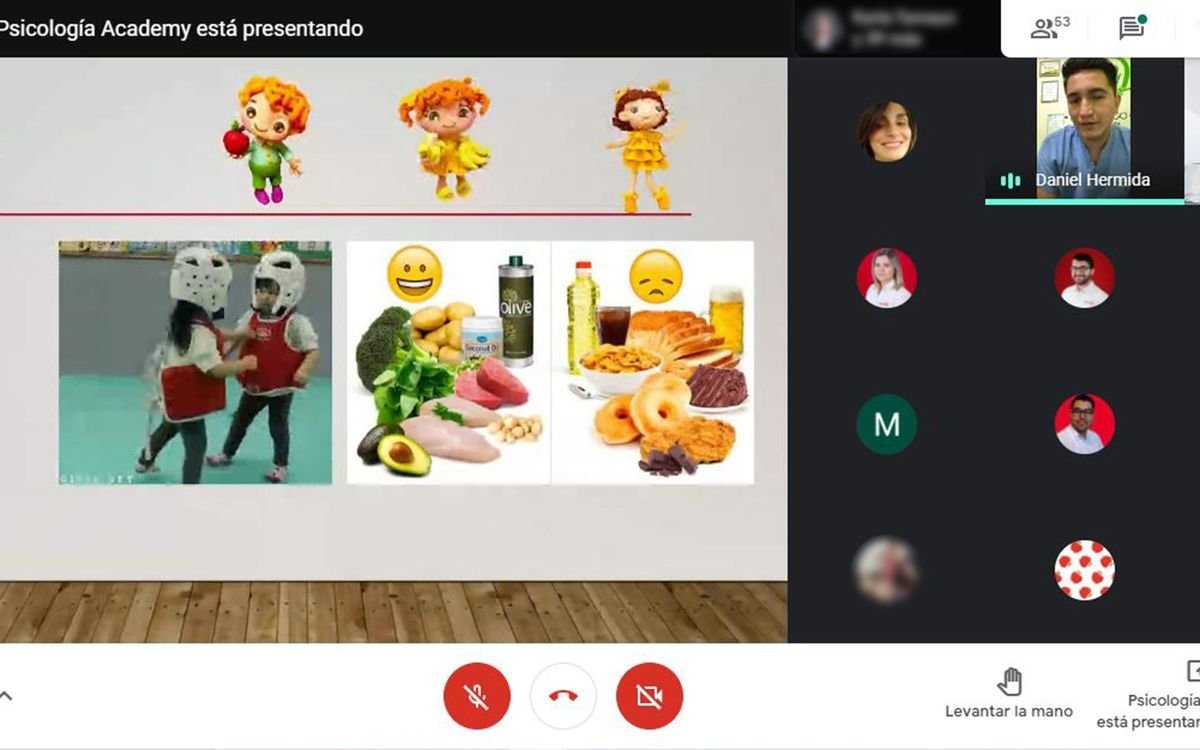
He set out the properties of the five types of nutrient — carbohydrates, proteins, fats, vitamins and minerals — where we find them, and in what proportion they should be included in the diet. He specified which carbohydrates are healthy and which fats are good, so that we can choose correctly.
He also emphasised how fundamental it is to drink the necessary amount of water according to the child’s age, and highlighted the importance of including at least an hour of sport each day.
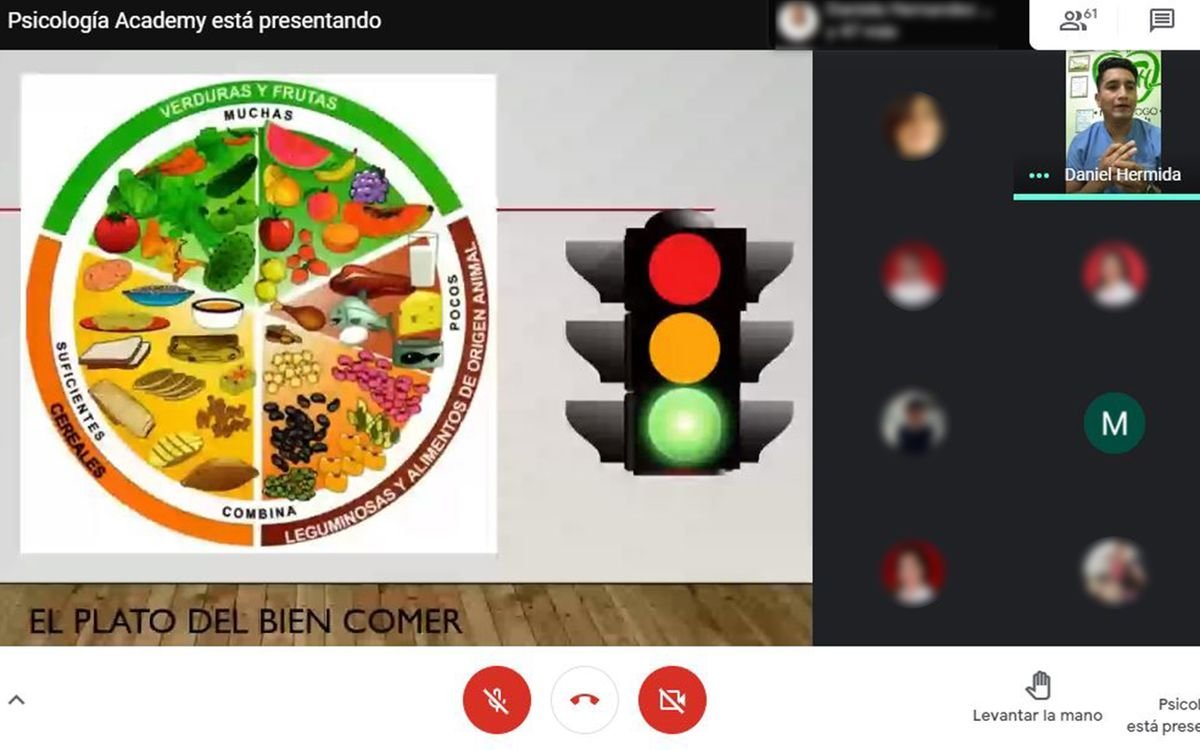
He showed the familiar plato del buen comer, which indicates the proportions to bear in mind when eating the main food groups: fruit and vegetables, cereals, legumes and foods of animal origin.
Closing advice
Finally, he advised parents to build physical activity into everyday routines — using the stairs instead of the lift, for instance — to help their children take part in a variety of age-appropriate activities, and to adopt a healthy lifestyle themselves so as to motivate the rest of the family to follow their example.
Each month Escuela para Padres offers a subject of current relevance providing tools for better results in children’s all-round development. It is open to the general public and free of charge.