Oxfordian Life
How Do I Talk About Sexuality With My Children?
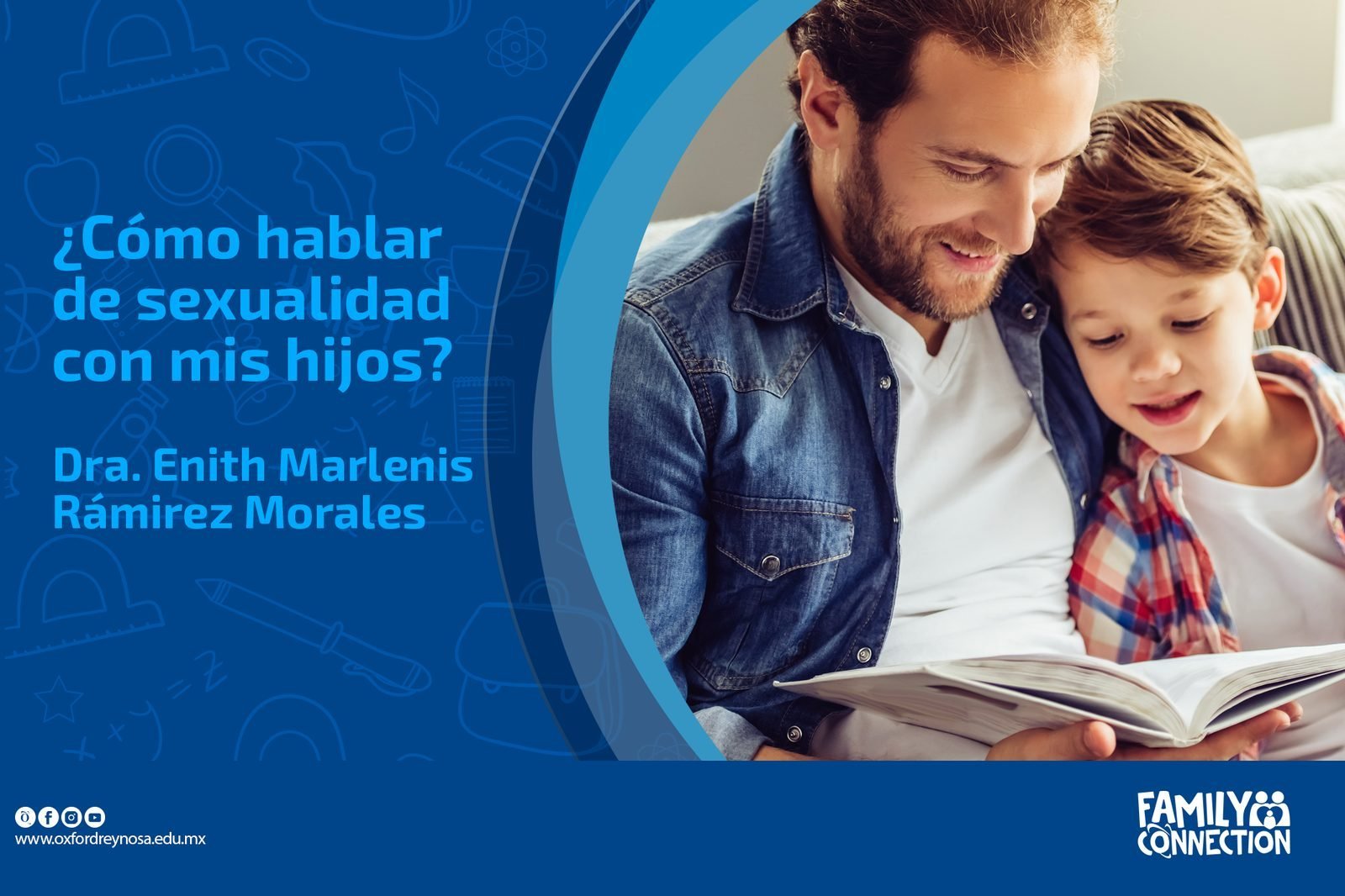
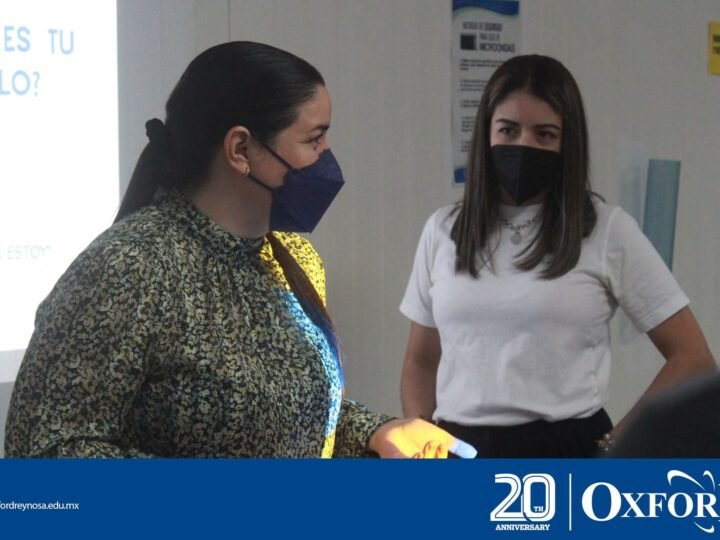
The October session of Family Connection took up a subject essential to raising children: How do I talk about sexuality with my children? It was delivered by Dr. Enith Marlenis Ramírez Morales.
Through the online session, parents’ questions were cleared up on a subject that, being taboo for many, is surrounded by misinformation.
Dr. Enith Ramírez recommended becoming informed in order to shed the taboos, the embarrassment, the fear and the doubts that stop us talking about these subjects with our children — not knowing what to answer, when, or at what age the right moment comes.
She explained that we should draw no distinction between whether it is the father or the mother who talks with the children, regardless of whether the child is a boy or a girl, and that it is essential to do so, since they will receive information outside the home in any case and it will often be wrong. Moreover, by talking with them at home we can also share the norms and values that matter to the family.
On the right moment to do it, she said it is from birth, since sexuality does not refer only to sexual relations, and she described as a myth the idea that “teaching our children about sexuality makes them experiment sexually sooner”.
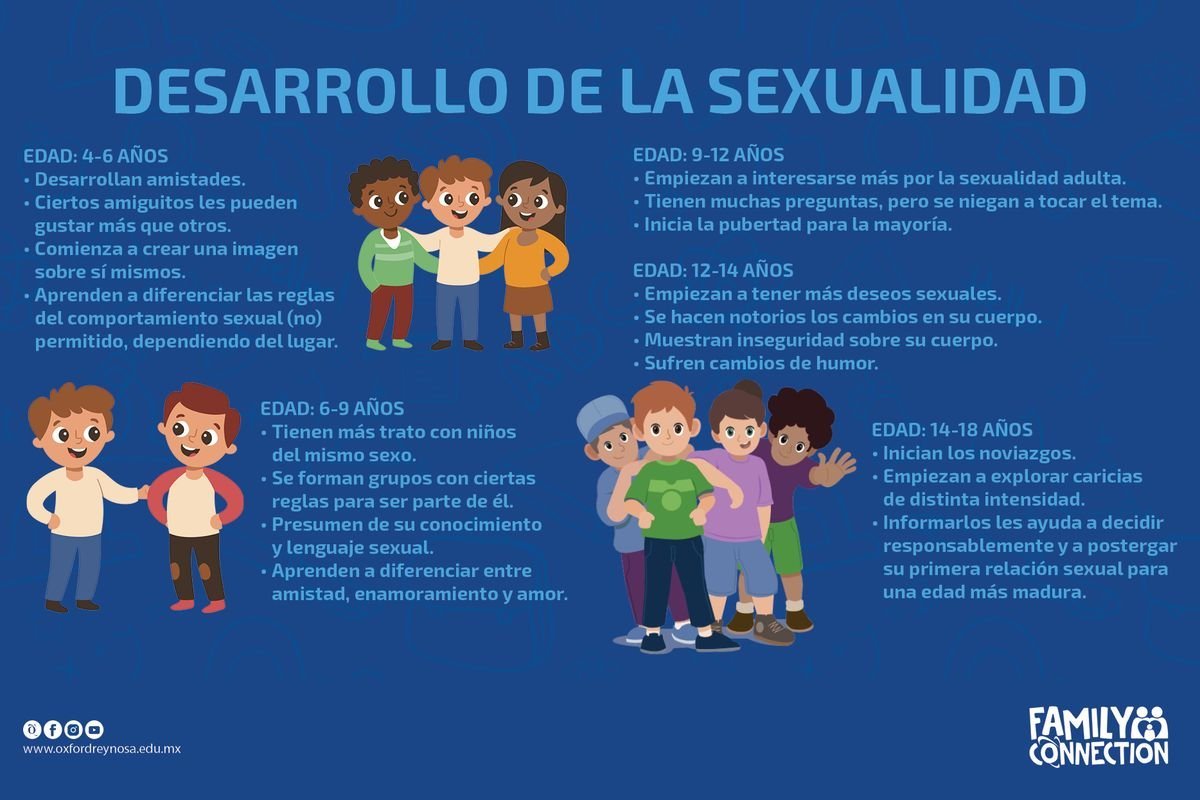
She explained the different stages and what kind of information is needed at each. She made clear that there is no need to worry about giving too much information at an early age, since children will only take in what they can and will return to the subject later, when they are ready.
4 to 6 years
At this age children develop friendships, identify with their friends and develop the image they hold of themselves. They may like certain friends more than others and experience different kinds of feelings with them.
They learn the rules of sexual behaviour both at home and at school or elsewhere.
6 to 9 years
They increasingly spend time with children of the same sex, and within the group there are many rules to follow in order to feel part of it.
There can be a tendency to show off about their sexual knowledge and language: they tell sexual jokes (which often they do not understand themselves).
They are increasingly able to tell the difference between friendship, infatuation and love.
9 to 12 years
At the start of puberty they begin to take more interest in adult sexuality, and the messages on the subject that they see and hear around them begin to awaken their curiosity.
Although they have many questions, they do not feel comfortable talking about them and tend to become sulky if the subject comes up.
12 to 14 years
For most, this is the peak moment of sexual development. They begin to have stronger sexual desires and discover masturbation (mostly boys, though girls may also experience it).
Their bodies change and they feel insecure about their appearance. Girls attract more attention from boys, make contact and receive recognition.
The development of the sex hormones causes mood swings that can be more or less intense.
14 to 18 years
Relationships begin and they experiment with all kinds of them. Some want to turn their sexual desires into actions and a “sexual progression” begins: first kissing, then touching and caressing with clothes on, then without, masturbation and finally sexual relations.
If sexuality has been spoken about with complete openness throughout their childhood, the hope is that when this moment arrives they will feel confident enough to ask and to talk about it, so that they do everything responsibly, safely and with respect.
The expert affirmed that studies show well-informed young people make more responsible sexual decisions and leave their first sexual relationship until a more mature age.
Finally, she summarised that the most appropriate thing is to show interest and offer guidance in the face of our children’s doubts and questions at any age, without becoming alarmed, and to talk in a flexible and open way. We should inform them about a range of subjects around sexuality and highlight how they can prevent their health and their plans for life from being affected.
She also shared how to get in touch for support at www.cij.gob.mx/autodiagnostico where a self-assessment can be completed to find out whether one has problems with anxiety, depression, addiction or relationships; and on 55 52 12 12 12, the CIJ Contigo online psychological support line, where mental health and addiction specialists offer free help from 8:00 a.m. to 10:00 p.m., Monday to Friday.
Family Connection is the programme we previously knew as Escuela para Padres. It is held once a month with the aim of encouraging families and the school to work together for the best possible development of their children. It is open to the general public and completely free.