Oxfordian Life
Get Ready to Overcome Challenges
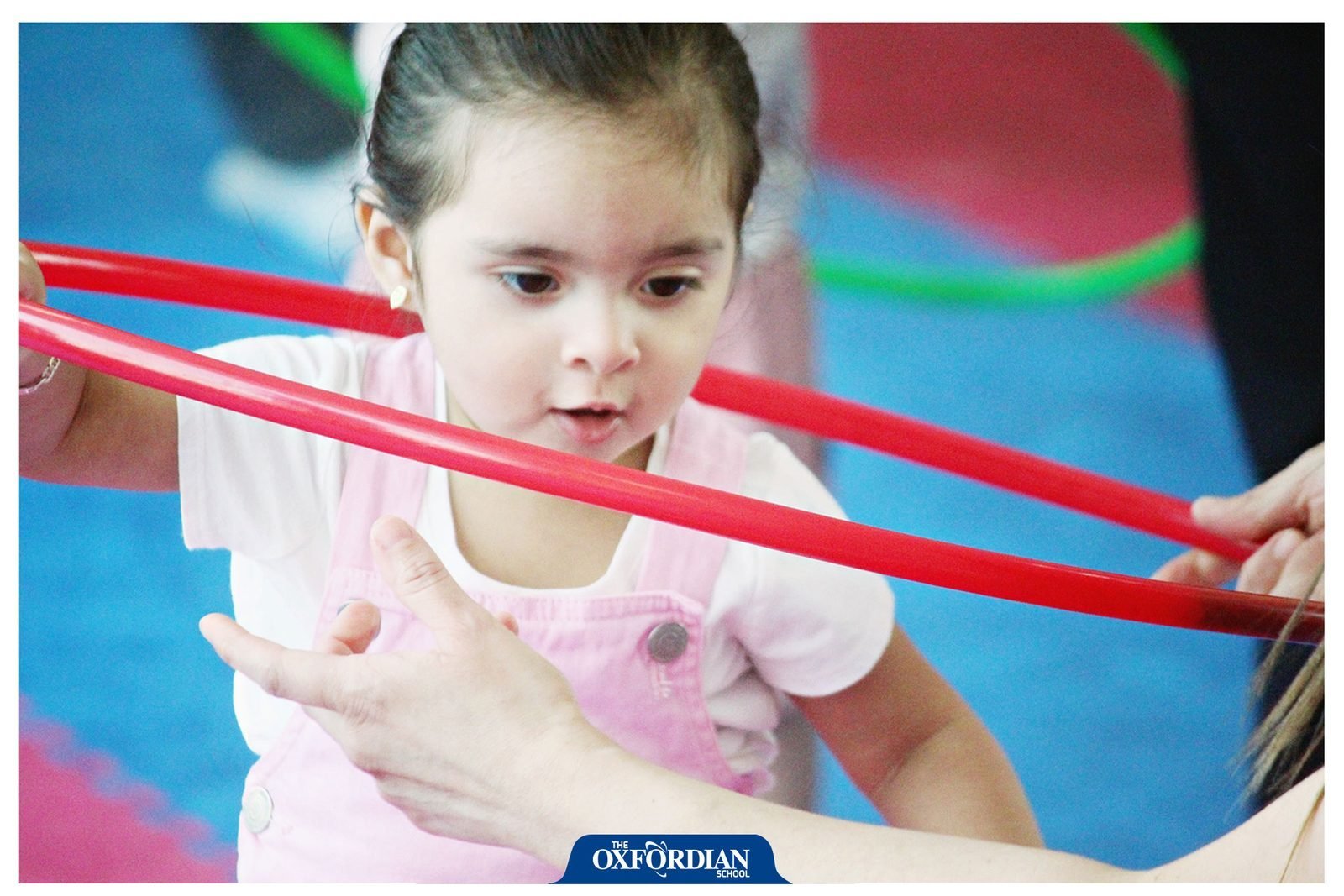
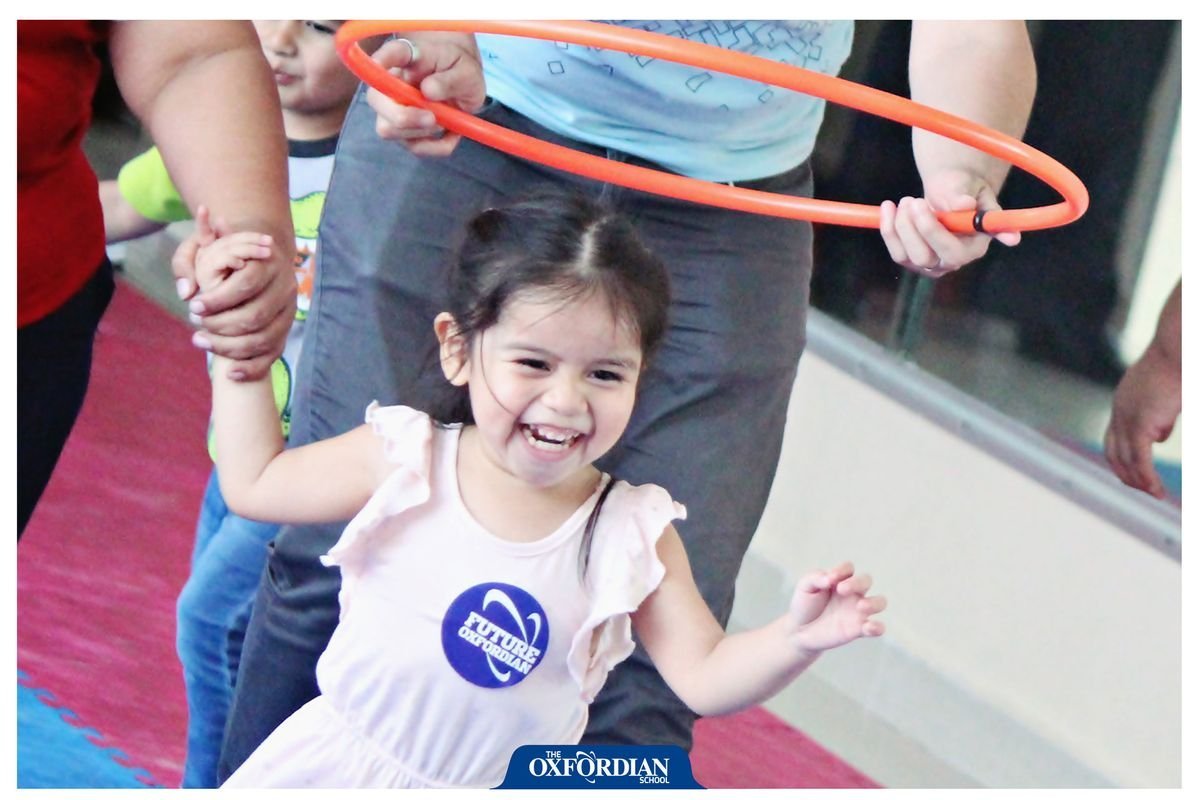
Why wait until our child reaches the age for compulsory education if we can prepare them beforehand? By this we do not mean enrolling them in courses in various subjects, but giving them age-appropriate tools to support their development at each of the early stages of life, guided by professionals — through matrogimnasia.
The word comes from the Greek matros, meaning mother, and gimnasia, exercise. Matrogimnasia could therefore be described as physical exercise in which parents take part alongside their children.
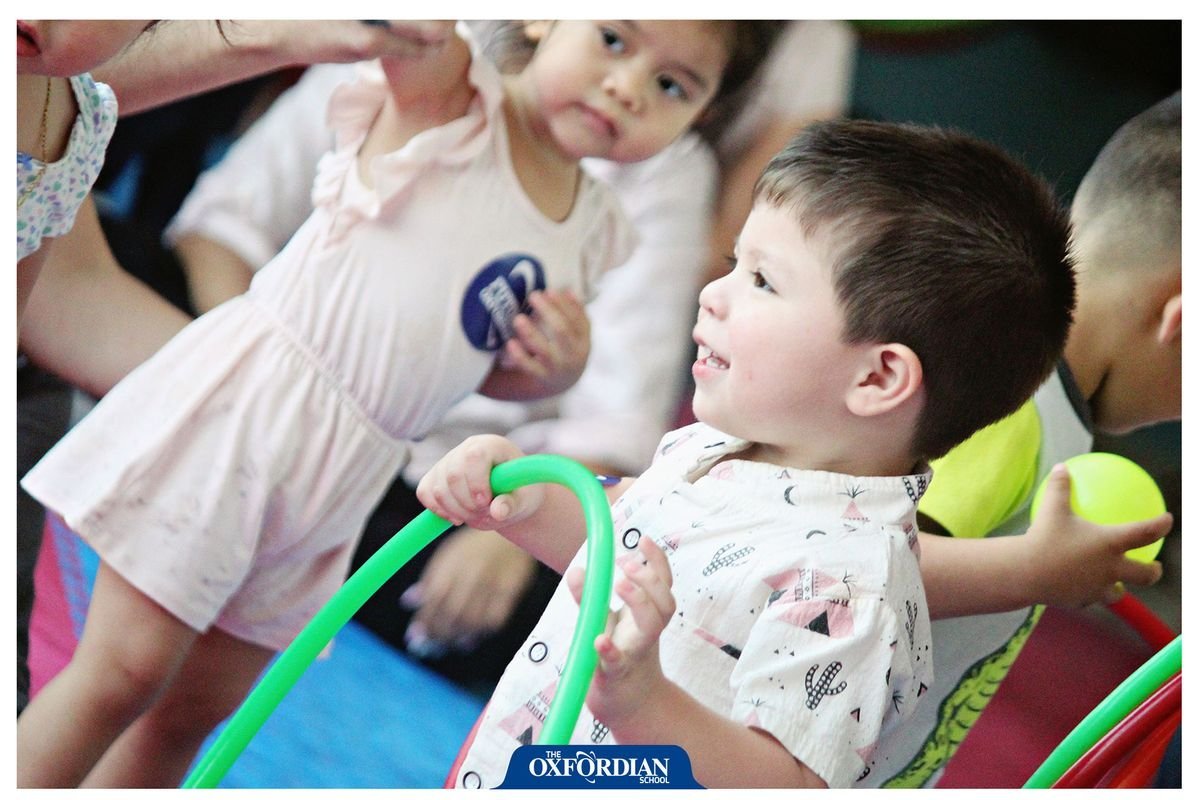
Matrogimnasia is a powerful tool for developing motor and sensory ability by means of vestibular (movement-related), proprioceptive (relating to muscles and joints) and tactile stimuli, in order to support neuromuscular adjustment, self-control and attention. It serves to prepare the preschool-age child physically for beginning formal sport, developing verbal and non-verbal language and stimulating coordination, laterality and spatial awareness.
The purpose of the programme is to strengthen the bonds of affection between parents and children through exercises in stimulation, warm-up, gymnastics, games and dance, producing an enjoyable and entertaining experience for both.
To take part in this activity the child need not meet any specific criteria, since the early-stimulation methods used are aimed both at those who simply wish to improve motor, language, cognitive and adaptive skills, and at those presenting a developmental deficit or pre-, peri- and postnatal risk factors.
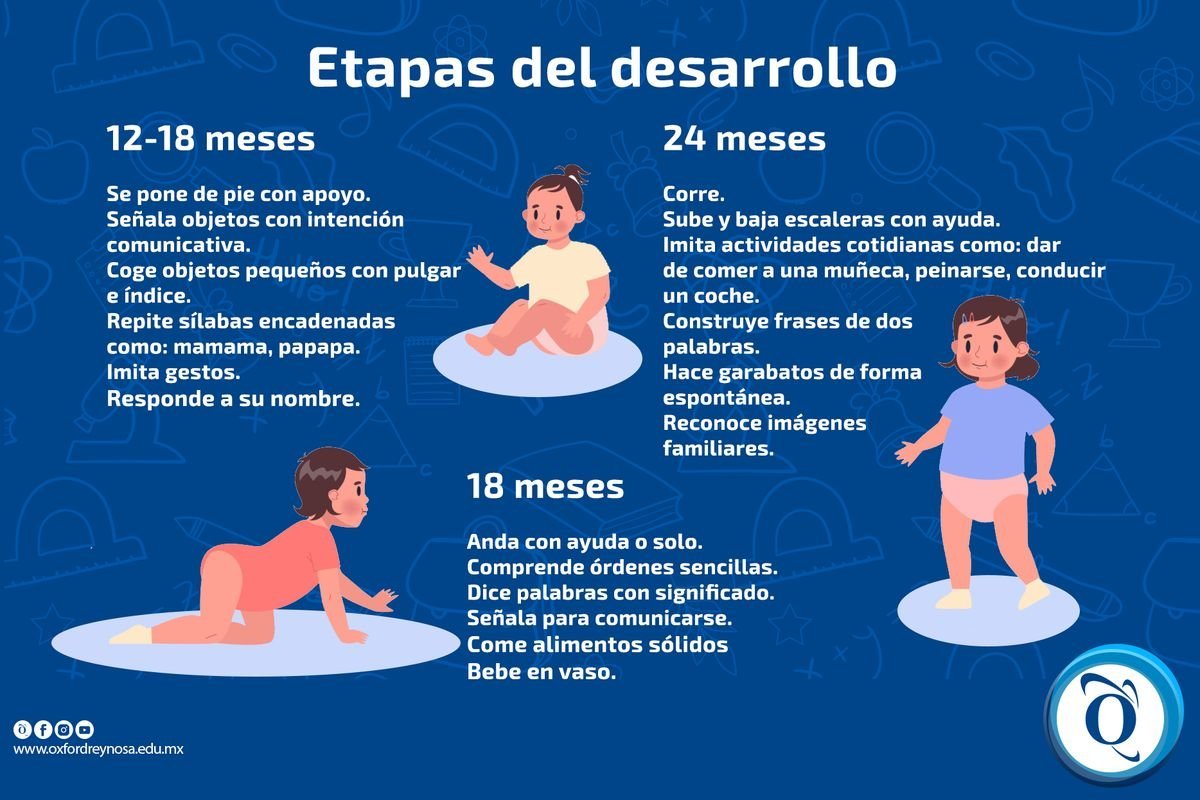
Although every child follows their own pace of development, there are signs indicating that a child needs early stimulation: if they show a regression in skills they had already mastered (for example, if they were laughing and suddenly no longer do, or were crawling and stop), or if they skip a stage of development (see infographic).
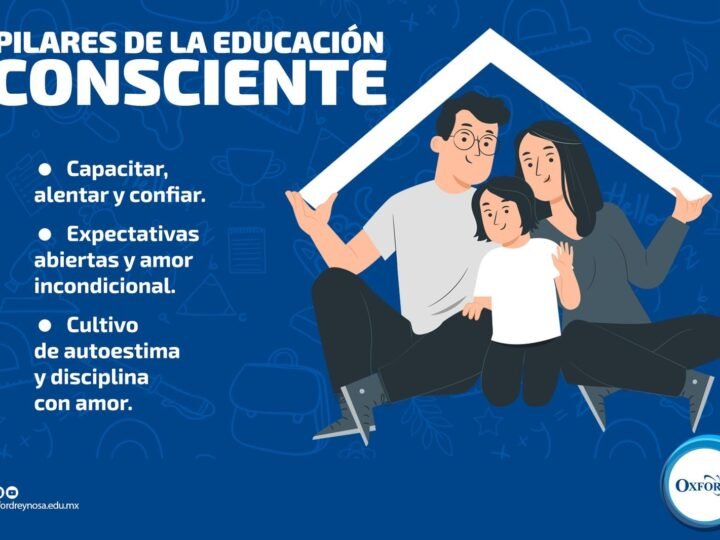
Strengthening the bond between parent and child is a great benefit of matrogimnasia, but it also helps the child to do the following: acquire self-confidence, develop their self-image, release tension, strengthen their autonomy, develop their capacity to express emotions, structure their thinking, increase their sense of solidarity and collaborative work, encourage their imagination and sensitivity, and acquire values such as love, respect and work. Another advantage of matrogimnasia is that it can reduce behavioural and learning difficulties.
Providing early stimulation also helps in the development of emotional intelligence, reducing the likelihood of later social isolation, lack of self-control, problems with attention and concentration, memory dysfunction, developmental delay, poor quality of human relationships, and deficiencies in motor, cognitive, linguistic and social skills.
It is important to work with professionals who guide parent and child through this activity, so as not to ask more of the child than their stage of development requires, to avoid injury during motor activities, and to ensure that the space in which it takes place has appropriate safety and ventilation measures, a comfortable temperature, music and good lighting.
Any moment in the preschool years is a perfect time to begin this practice. Within the Nursery academic programme this service is offered for children from 18 months to two and a half years of age.
If you would like to give your child the chance to improve their prospects of a successful start at school, contact the admissions department for more information.