Oxfordian Life
What Is My Parenting Style?
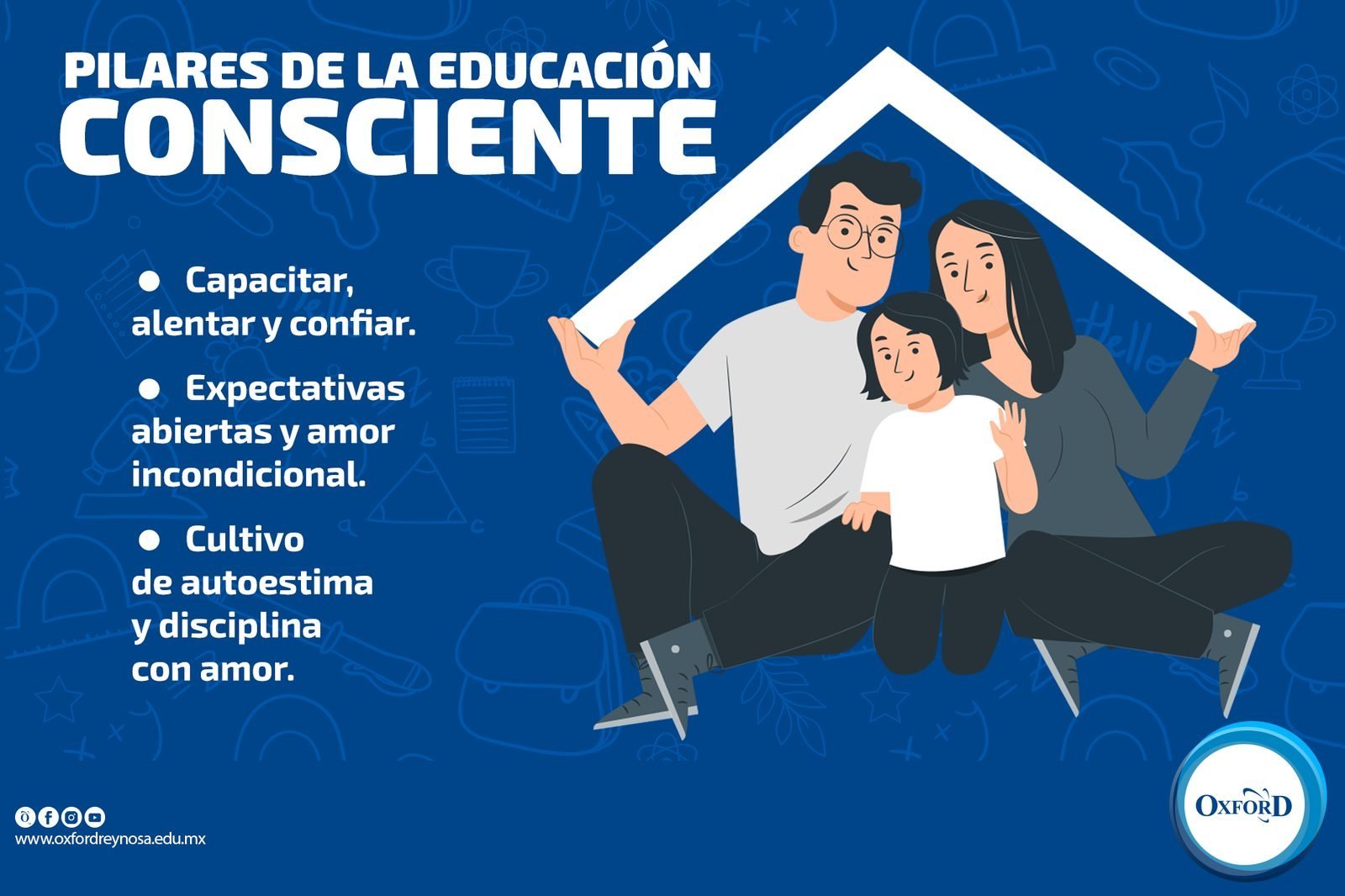
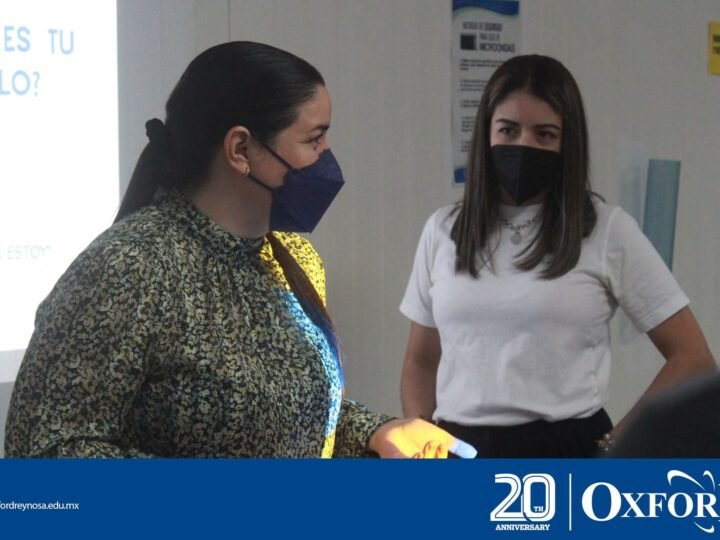
On Wednesday 7 September the first session of the 2022-2023 cycle of Escuela para Padres was held, on the theme “What is my parenting style?”, delivered by Dalila Hernández.
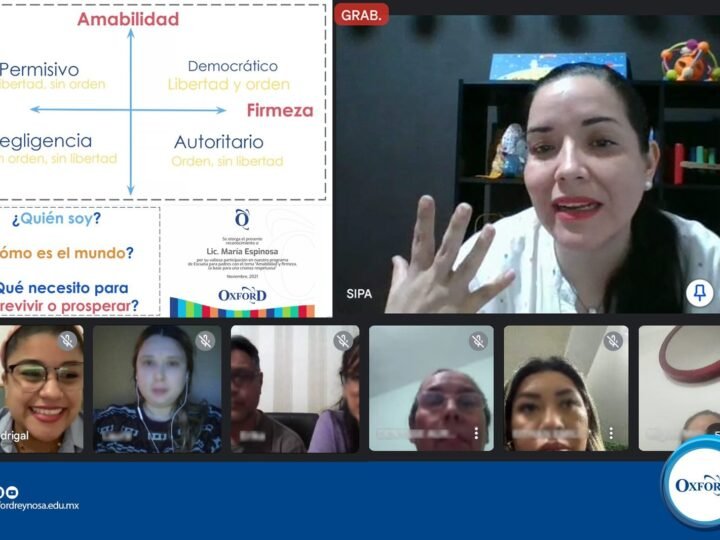
On this occasion the online format was taken up again, making it easier for more parents interested in improving their children’s education to take part.
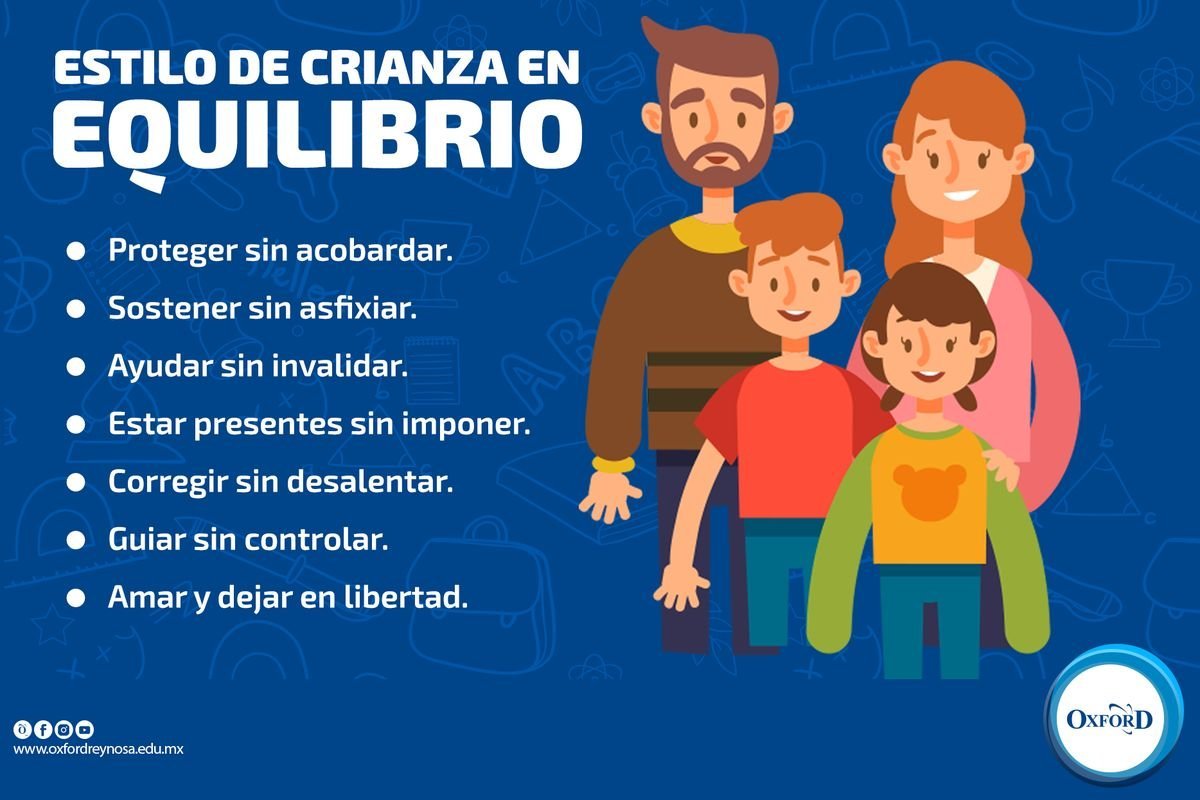
During the talk the psychologist explained the main parenting styles: authoritarian, permissive and democratic. She emphasised the characteristics and consequences of each of them where no balance is found.
She went into detail on how a child raised under authoritarian parenting does not feel taken into account, represses emotions or expresses them inappropriately, feels humiliated, resentful or guilty, and may sacrifice their individuality or rebel by withdrawing or falling into addiction. The permissive style, on the other hand, develops insecurities in children or turns them into controlling personalities, encouraging behaviour that harms them, the family and even society. A parent should therefore have authority without being authoritarian; should be firm but respectful, make conscious decisions, allow their child to express emotions while guiding them, help them find solutions and set the example.
As a tool to help bring about change, she suggested carrying out a self-examination of the upbringing the parent themselves received, asking questions such as: what did my mother or father expect of me? What was my childhood like? How did I feel? What were my secrets? Who protected me? What did I do to be loved? What are my best and worst memories?
In this way Dalila Hernández closed the subject by answering questions and offering strategies for finding balance.
The speaker graduated with honours in Clinical Psychology and holds a master’s degree in Education specialising in inclusion. As well as working in private practice and having taught, she has collaborated with a range of institutions including Cedif Reynosa, the Cusen gerontological centre and Centro T Apoyo, among others.
She is continually training through courses, symposia, conferences and workshops on thanatology, attention deficit, hyperactivity, addiction, child psychology, child abuse, hypnotherapy, cognitive behavioural therapy and various subjects relating to childhood.
Escuela para Padres is held once a month with the aim of encouraging families and the school to work together for the best possible development of their children. It is open to the general public and completely free.