Oxfordian Life
Learning Emotional Intelligence
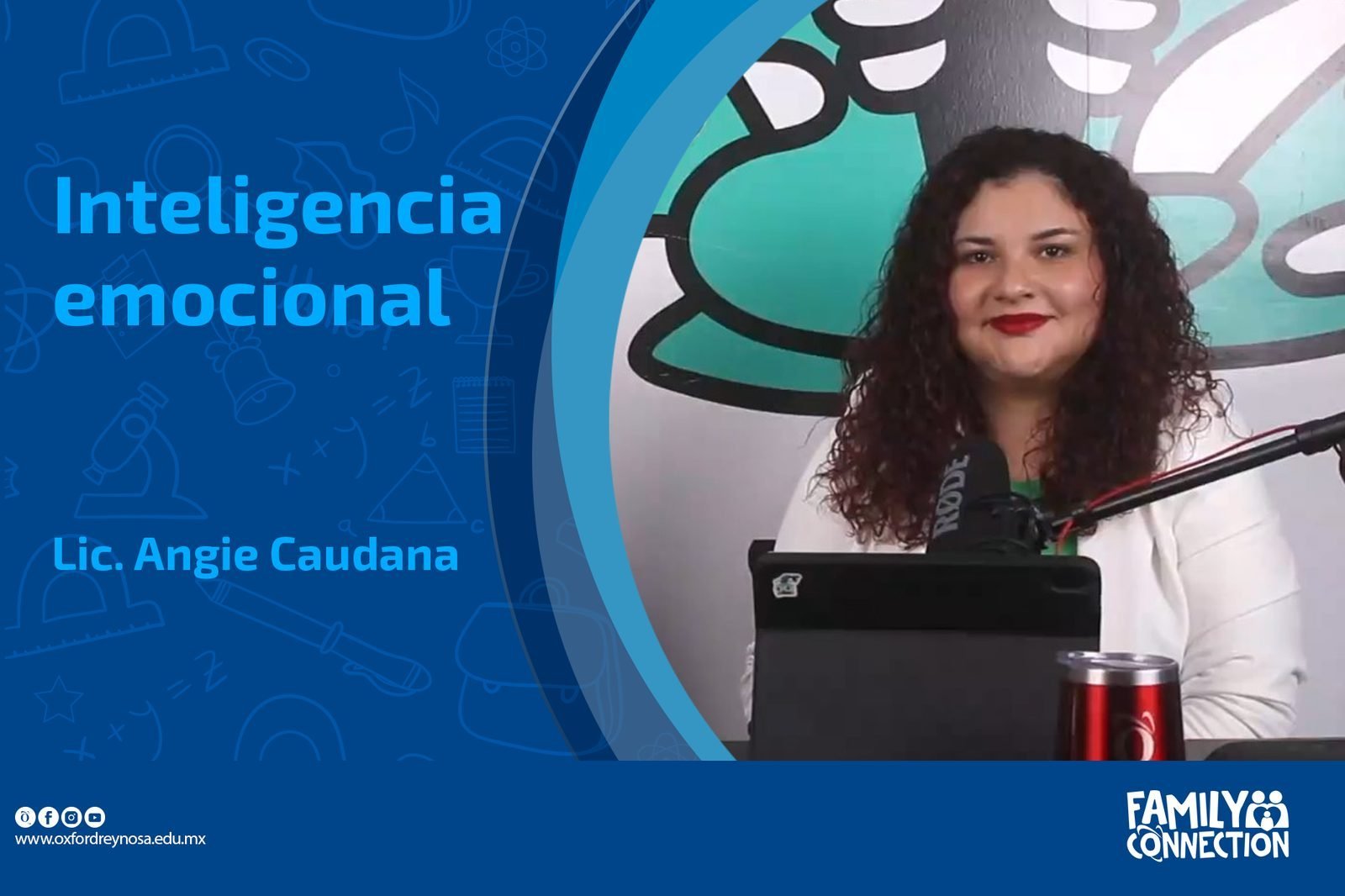
Angie Caudana gave the talk “Emotional intelligence” during the November session of Family Connection, in which she explained the importance of recognising our emotions and learning to manage them properly from an early age.
In the live broadcast carried on the school’s Facebook page, questions were also answered and there was a detailed explanation of how to teach children to develop emotional intelligence, the impact it has on academic performance, and its bearing on interpersonal relationships.
With Ms. Cervantes, psychologist at Las Fuentes Campus, as host, the guest expert explained that emotional intelligence is our capacity to recognise, feel and regulate our emotions, and that it is the precursor to healthy social relationships and to interacting well with our surroundings.
She emphasised the need to learn this capacity from an early age, because when children are developing it well they know their emotions and express them assertively, they are empathetic, and they form good connections with classmates and friends.
Developing emotional intelligence
To help children develop these skills from an early age she gave some advice, beginning with learning oneself to recognise and manage emotions by examining the reason or trigger behind the emotion, and by accepting that it is normal to feel angry or sad when something displeases us — while learning to express it respectfully.
She recalled that emotions can also be connected to physiological needs such as lack of rest and hunger, so we must learn to recognise what is causing our emotions.
When an emotion affects your life
She stressed that there are no bad emotions. Anger, for example, helps you discover what you do not like and set limits; fear protects you from dangerous situations and puts you in a state of alert. For this reason we should avoid phrases such as don’t be angry or you have no reason to be angry, since there is always a reason and we should not diminish its importance.
Even when an emotion is affecting your life, your routines or your health, that does not mean it is wrong to feel it. It is simply an indication that it needs to be worked on.
She explained that there are signs in a child’s behaviour indicating that they may need help identifying emotions. It is important to be alert to changes in behaviour and to why they are happening. It should be said that it is normal for adolescents to change their conduct at this stage, but we should pay attention if these changes affect their sleep, eating or social interaction, and always be available to listen and to explain that we can also seek outside help. “Sometimes talking it over with mum or dad will not be enough, and that is fine,” she noted.
Validating emotions
Caudana explained the importance of validating children’s emotions: telling them we understand that they are angry, and inviting them to think about what really caused their anger and to look for options to change the situation.
To do this, she recommended being empathetic and thinking about how you would want others to react towards you in a similar situation.
She also pointed to the importance of our own reactions, since children learn from adults — so we should not be afraid of letting them see us cry, because it teaches them that having emotions is valid, and how to manage them.
Differences between boys and girls
On differences in emotional development according to gender, she indicated that earlier social patterns did draw a distinction between men and women in permitting them to express their emotions, which led to difficulty in establishing healthy relationships at different stages of life. She warned against perpetuating these patterns and against using phrases commonly heard in the past, such as: “boys don’t cry”, “you have to be strong” or “you’re the man of the house”.
She recalled the importance of respecting each person’s limits, without becoming permissive or falling into neglect — being patient so that children feel loved and respected, and know that they can always come back because they have a safe place with you.
While we must give them tools for life, wanting them to be strong according to your definition of strength can be harmful to them, she explained.
For that reason it is necessary to call emotions by their name and not repress them; to ask what you can do to make your child feel better. Nor did she recommend suppressing emotions in exchange for gifts or rewards, but rather teaching children to manage the situation.
The impact of not developing emotional intelligence
Where emotional intelligence has not been worked on, manipulative behaviour can appear: those who want everything to go according to their wishes, or quite the opposite, those who are easily manipulated because nobody taught them to set limits. In adolescence, having developed emotional intelligence from an early age helps young people avoid following the harmful behaviour of their peers, because they know how to set limits and express their emotions properly. They are adolescents who give their opinions and know that they do not need the approval of others to feel good.
Advice for achieving it
- Make use of moments such as dinner to talk about situations we lived through during the day and how we resolved them.
- Ask questions that invite specific answers about how school went, and in this way get the conversation flowing.
- Give one hundred per cent of your attention, so that they do not lose interest in telling us about their daily lives.
- Ask them to name two things that caused a particularly strong emotion (what made you happiest? what made you angry? what made you sad?).
- Share with your children what you liked most about them that day: recognising small things, such as putting their toys away without being asked.
Finally, questions submitted through the Facebook comments were answered, and the session closed with advice and suggested activities for fostering the development of emotional intelligence in children.
Family Connection is a completely free programme offered by The Oxfordian School to the whole community. The subjects covered are presented by highly qualified experts in their field, who give families tools for raising their children.